
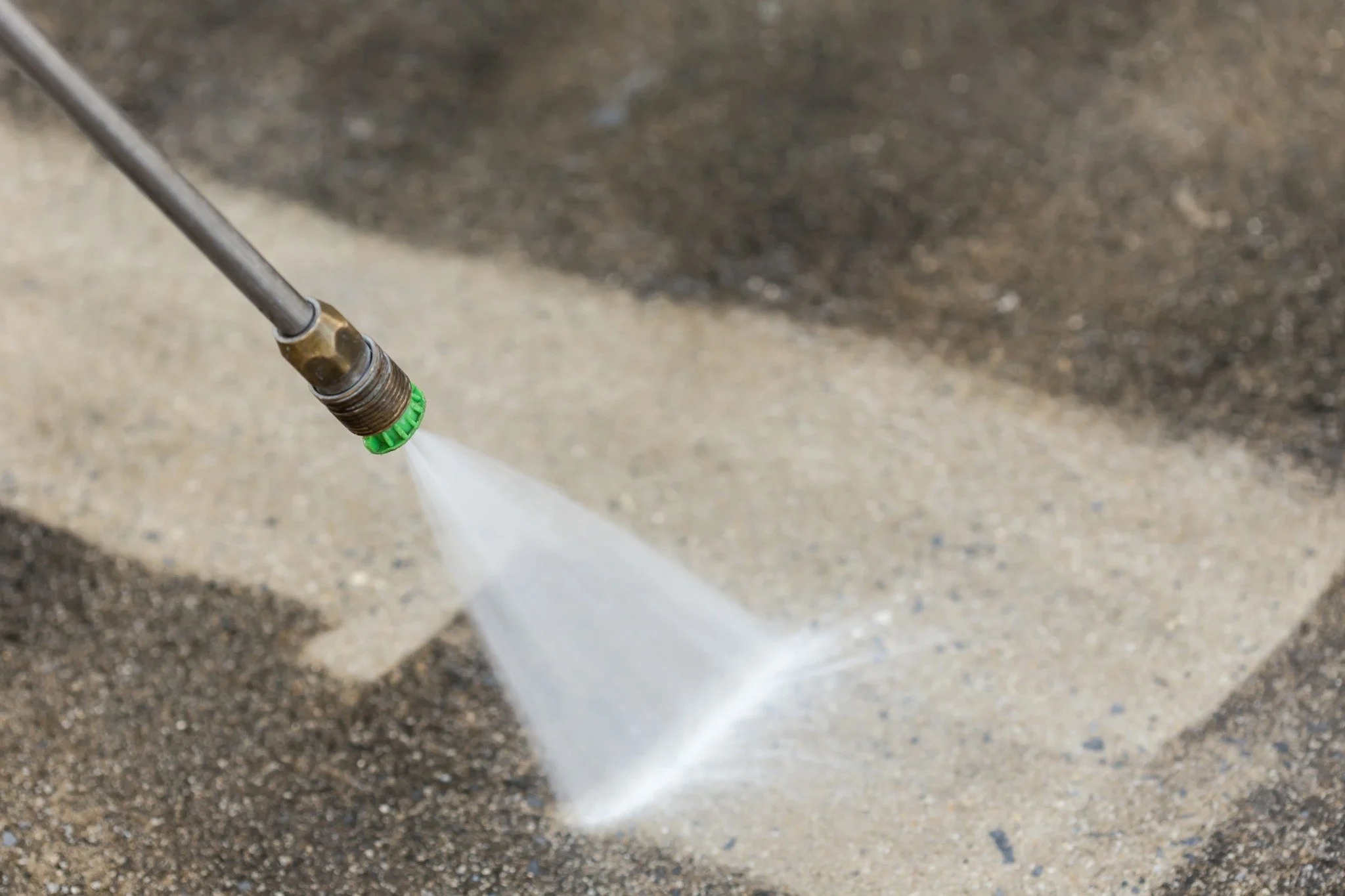
As spring arrives in South Louisiana, many homeowners and contractors begin tackling exterior cleaning projects. Dirt, algae, pollen, and mildew can quickly accumulate on surfaces such as driveways, siding, decks, and patios. Removing this buildup helps improve curb appeal while protecting surfaces from long-term damage.
Two of the most common cleaning methods used for exterior surfaces are soft washing and pressure washing. While both techniques are designed to remove dirt and organic growth, they work in different ways and are suited for different materials. Understanding the difference between these methods can help ensure surfaces are cleaned effectively without causing damage.
What Is Pressure Washing?
Pressure washing uses a high-pressure stream of water to remove dirt, mud, grease, and other debris from durable surfaces. These machines rely on powerful pumps that deliver water at high PSI levels to break up stubborn buildup.
Pressure washing is commonly used on hard surfaces such as:
Concrete driveways and sidewalks
Brick and stone walkways
Patios and outdoor hardscape areas
Certain commercial exterior surfaces
When using pressure washing equipment, both pressure (PSI) and flow rate (gallons per minute, or GPM) are important. In many cases, the flow rate determines how efficiently a surface can be cleaned. Too much pressure with too little flow can create a mist that reduces cleaning effectiveness, while too much flow without adequate pressure may not provide enough impact on the surface.
For many residential cleaning tasks, equipment in the 3–5 GPM range with moderate pressure is sufficient to handle driveways, patios, and other outdoor areas. Commercial and industrial cleaning jobs may require higher flow rates and pressure levels depending on the surface and the amount of buildup.
What Is Soft Washing?
Soft washing uses a different approach to exterior cleaning. Instead of relying on high pressure, soft washing combines low pressure with cleaning solutions designed to break down organic growth such as algae, mold, and mildew.
This method is commonly used on surfaces that can be damaged by high-pressure water. Roof shingles, stucco, vinyl siding, and painted wood are often cleaned using soft washing techniques.
Soft washing systems typically operate with higher water volume and much lower pressure, allowing cleaning solutions to do most of the work. The cleaning solution helps treat organic growth at its source, while the low-pressure rinse safely removes the buildup from the surface.
What Surfaces Are Best Cleaned with Pressure Washing?
Pressure washing is ideal for durable surfaces that can withstand higher levels of water pressure. Hard materials tend to accumulate dirt and grime on the surface rather than deep within, making them well-suited for high-pressure cleaning.
Common pressure washing applications include:
Concrete driveways and sidewalks
Brick surfaces
Stone walkways
Patios and outdoor hardscape areas
Heavy-duty outdoor equipment
Using the correct spray nozzle and maintaining a consistent distance from the surface can help prevent damage while still delivering effective cleaning results. Testing a small area first can also help determine the safest and most effective pressure setting.
What Surfaces Should Be Soft Washed Instead of Pressure Washed?
Some exterior materials require a gentler cleaning approach. Applying too much pressure to these surfaces can cause cracking, lifting, chipped finishes, or allow water to penetrate where it should not.
Soft washing is commonly used for surfaces such as:
Roof shingles
Stucco exteriors
Vinyl siding
Painted wood
Fences and decks
These surfaces often accumulate algae, mildew, and organic stains that respond better to cleaning solutions than high pressure alone. Using a low-pressure rinse helps remove buildup while preserving the material's integrity.
Why Does Equipment Matter for Pressure Washing and Soft Washing?
Whether using soft washing or pressure washing, having the right equipment makes a major difference in cleaning performance. Pumps, engines, spray guns, hoses, and accessories all play an important role in creating a reliable cleaning setup.
At Bozeman Distributors, we manufacture and supply a wide range of professional pressure washing equipment designed for homeowners, contractors, and commercial users, with a focus on long-term performance and build quality. Our Aqua Pro pressure washer line has been built in Baton Rouge for decades and features high-quality components, including Cat pumps and Honda engines.
We also offer custom-built pressure washer units along with accessories such as surface cleaners, spray nozzles, hoses, chemical injection systems, and other components that help make exterior cleaning tasks more efficient.
How Do You Choose Between Soft Washing and Pressure Washing?
Soft washing and pressure washing are both valuable tools for exterior cleaning, but choosing the right method depends on the surface being cleaned and the type of buildup present.
Hard surfaces such as concrete and brick typically benefit from the power of pressure washing. More delicate materials, such as roofs, stucco, and siding, often require a gentler approach, such as soft washing combined with cleaning solutions.
Understanding the difference between these methods helps ensure that surfaces are cleaned effectively while avoiding unnecessary damage.
For more than 50 years, Bozeman Distributors has helped customers throughout Baton Rouge find the pressure washing equipment and accessories they need for residential, commercial, and industrial cleaning projects.